
Author
Frank Mendez
Software Engineer
Published articles
41 articles
Okay… what did they sacrifice?
You don’t become a tech lead overnight. One day you’re coding, the next day you’re making decisions, aligning people, and carrying responsibility no one formally gave you. This article breaks down the messy, human side of that transition—and why it’s harder than it looks.
Chapter 2 of The Phoenix Project shows what happens when you inherit a broken system: endless emails, unclear priorities, and pressure from all sides. Bill’s promotion to VP of IT Operations reveals a harsh truth—leadership doesn’t fix chaos; it exposes it. This chapter highlights why managing work flow, not just doing work, is critical for survival.
If I design things well enough, my system will behave predictably.

GitHub Is Quietly Redefining AppSec with AI — And That Should Make You Rethink Your Workflow
GitHub’s latest move into AI-powered application security isn’t just another feature drop—it’s a shift toward proactive, developer-first security. And honestly, it might change how we write code every day.

Chapter 1 of The Phoenix Project throws us straight into the chaos of IT operations—where outages are routine, blame is inevitable, and the business is already falling behind. Through Bill Palmer’s stressful morning, we see a familiar reality: IT isn’t broken because of technology, but because of how organizations manage it. This opening chapter sets the stage for why DevOps isn’t optional—it’s survival.
Okay… is this actually useful, or just another ‘AI-powered’ sticker slapped on everything?

Distributed systems don’t fail loudly. They fail silently—with bad data.
You don’t scale by upgrading your server forever. You scale by splitting your data across machines.
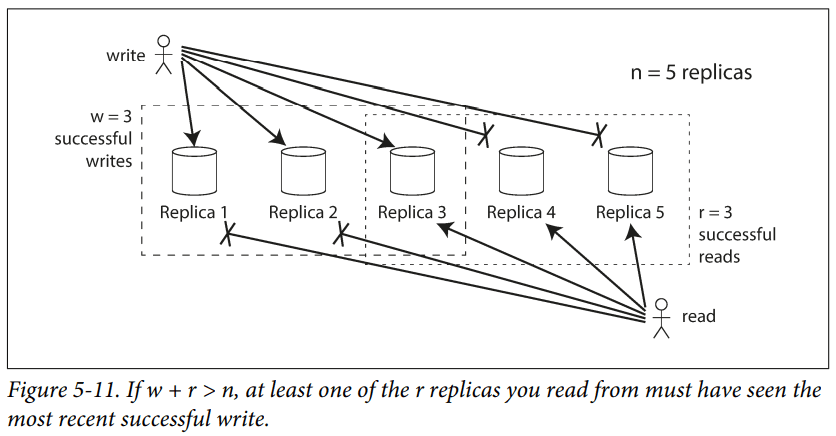
Just copy the data to another server.